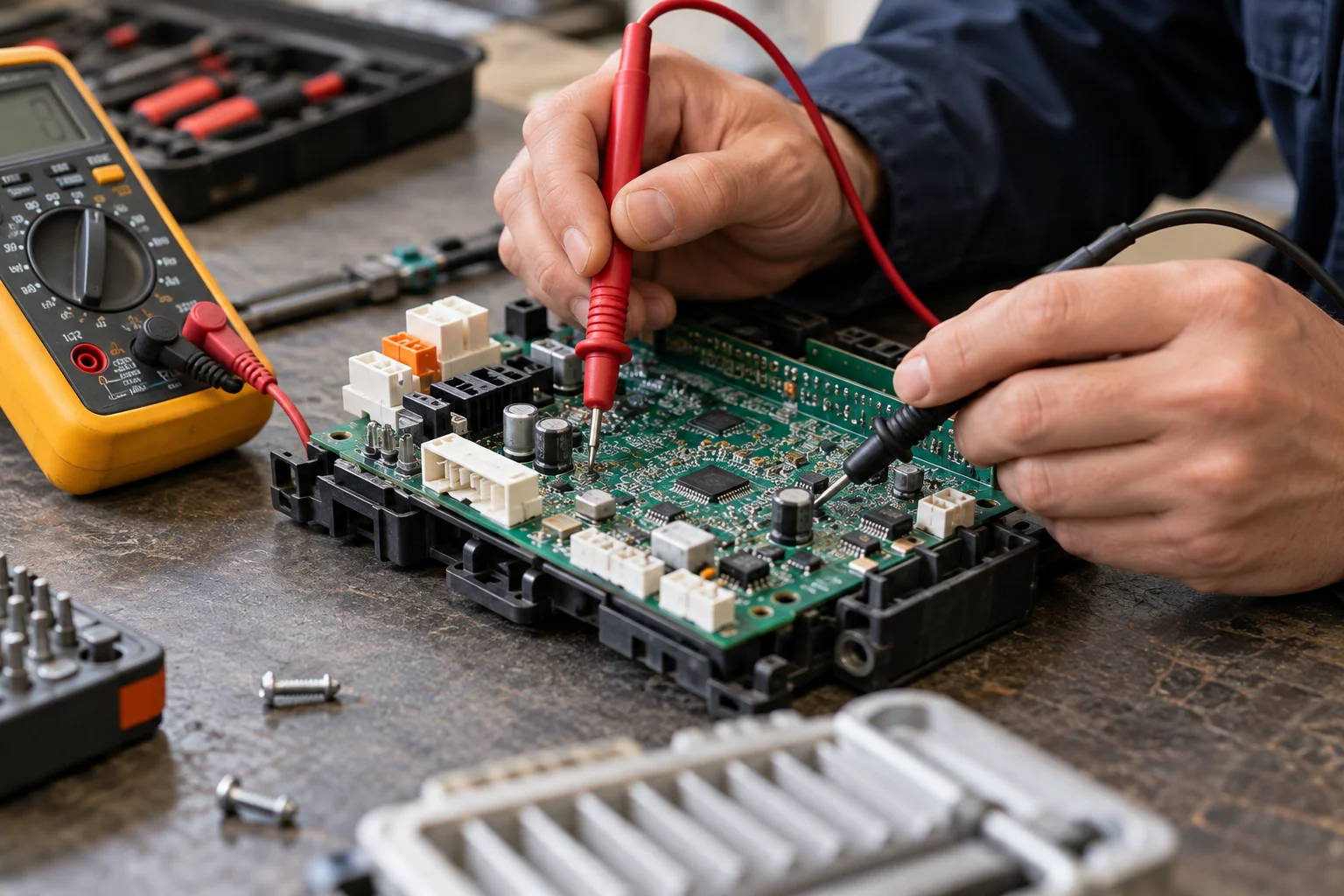
Console diagnostics
Describe the symptoms, model and any previous repair attempts. Inspection is needed before the cause, repair scope or quote can be confirmed.
Gaming electronics, handled through a clear diagnostic process.
Give the model and a clear account of what changed, including error messages when available. Handover, diagnostic charges, repair approval and collection terms must be confirmed. Do not include passwords or payment details in the first enquiry.
Identify the device model, symptoms and any previous repair or liquid damage. Diagnostic findings should separate the proposed work, parts, data-access needs and cost. A repair proceeds after approval; the description of a fault alone cannot establish a price or promise recovery of stored data.
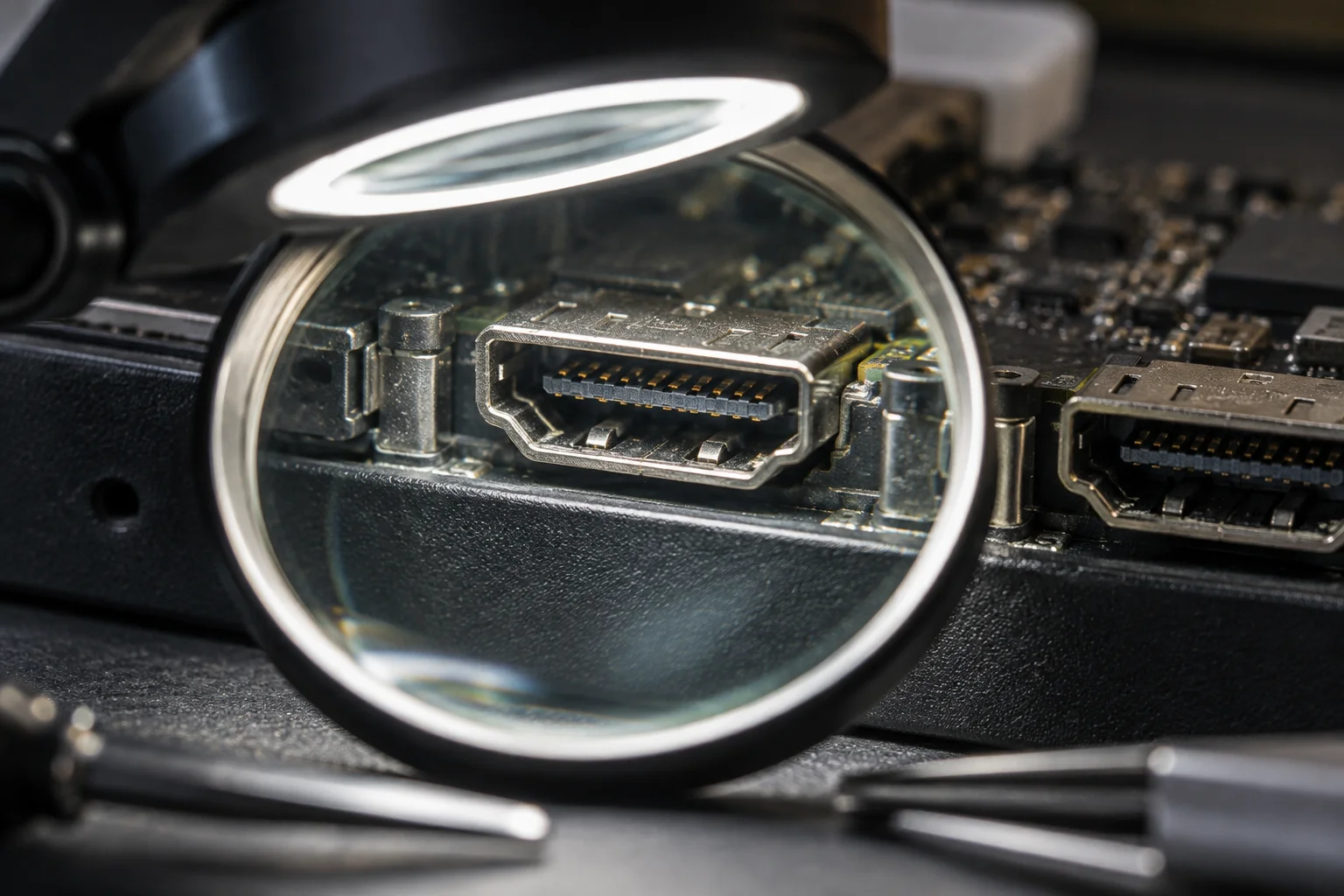
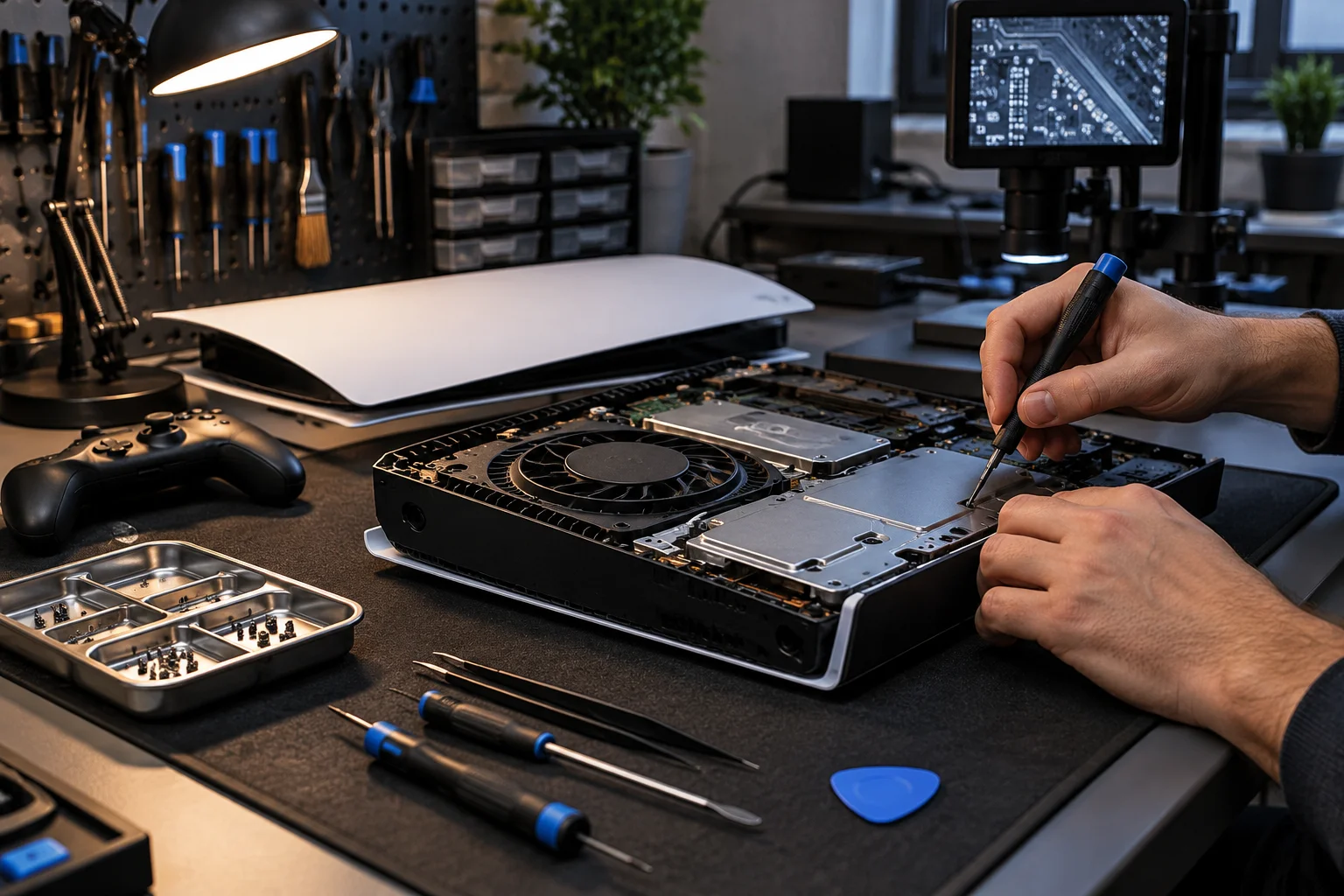
Describe the symptoms, model and any previous repair attempts. Inspection is needed before the cause, repair scope or quote can be confirmed.
Stick drift, buttons, charging and connection faults can have different causes. We agree on the device and symptoms first, then confirm what the inspection covers.
A damaged port or thermal issue requires checks beyond the visible symptom. Parts availability, repair suitability and any limitations are discussed before approval.
Power, display, storage and stability problems require a structured investigation. Confirm what data may be accessed and back up important files before handing over the device.
Back up important data where possible and remove accessories that are not needed for the inspection. Record what is handed over and discuss whether account access or storage checks are necessary. Do not send passwords in an initial enquiry. Data handling, unrepairable-device charges and warranty terms should match the actual agreed repair scope.
Compare repair tasks by the reported fault and the checks needed to identify it. Cooling symptoms, display output and controller input may involve different components and test conditions. Describe the behaviour without guessing which part must be replaced. A useful estimate should explain the approved work and distinguish it from additional actions that still need the owner's decision. Keep the essential requirements together when comparing options.