
Describe the symptoms
Record the exact model, symptoms and circumstances of the fault. Previous repairs, liquid exposure and the accessories supplied can affect the diagnostic process.
Stick drift, buttons, charging and connection faults can have different causes. We agree on the device and symptoms first, then confirm what the inspection covers.
Record the exact model, symptoms and circumstances of the fault. Previous repairs, liquid exposure and the accessories supplied can affect the diagnostic process.
Confirm the diagnostic scope, any charge and how findings will be reported. Discuss data-access needs and backup limitations before handing over a device.
Review the proposed work, parts, estimated cost and timing before authorising repair. An inspection can reveal a different cause from the symptom initially described.
At collection, check the agreed functions and receive the work record. Any warranty applies to the confirmed repair scope and stated terms, rather than every future device fault.
Back up important data where possible and remove accessories that are not needed for the inspection. Record what is handed over and discuss whether account access or storage checks are necessary. Do not send passwords in an initial enquiry. Data handling, unrepairable-device charges and warranty terms should match the actual agreed repair scope.
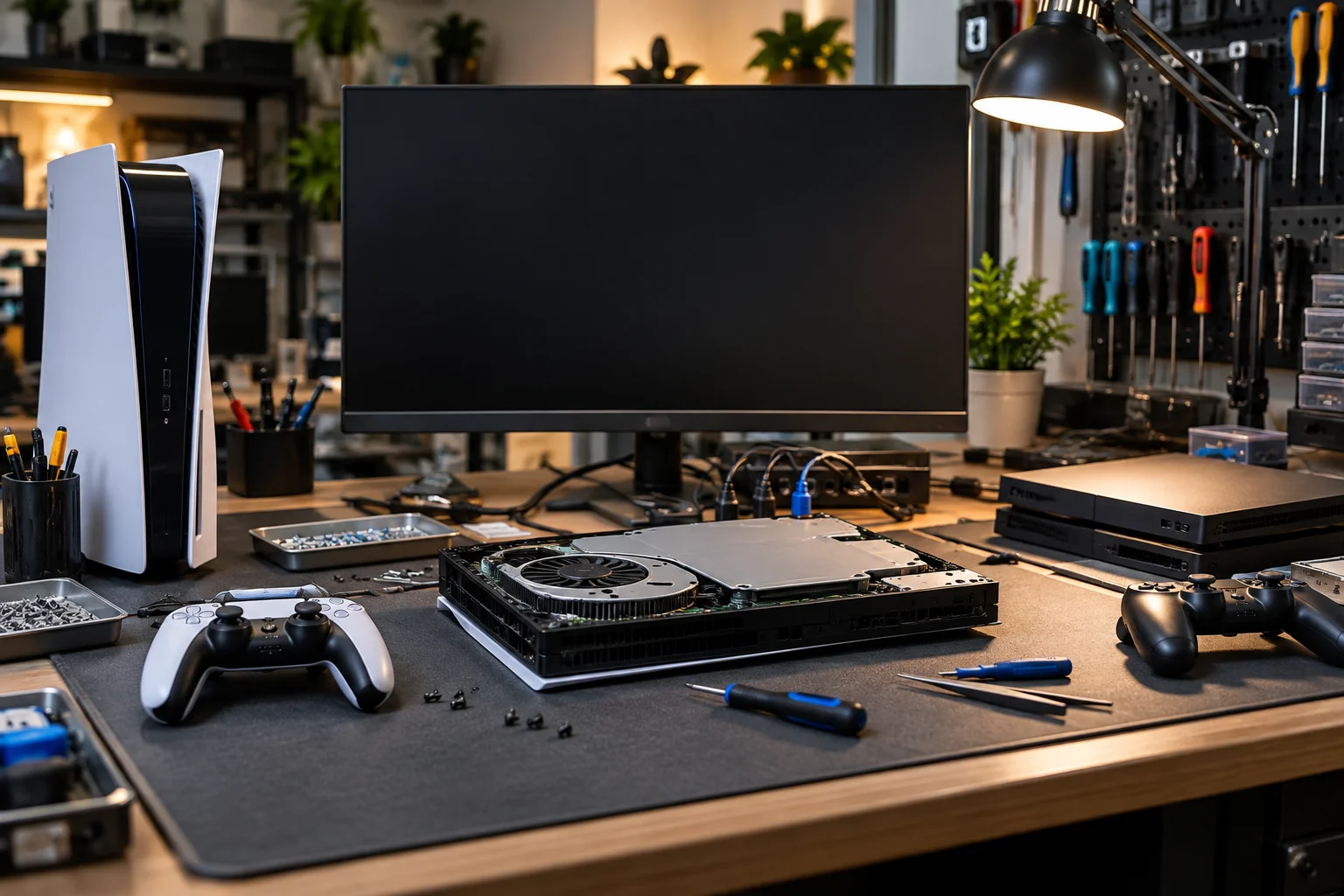
Keep the agreed scope, timing and next contact in one place. A written summary makes it easier to return to the decisions without relying on scattered messages.
Confirm the diagnostic scope, any charge and how findings will be reported. Discuss data-access needs and backup limitations before handing over a device.
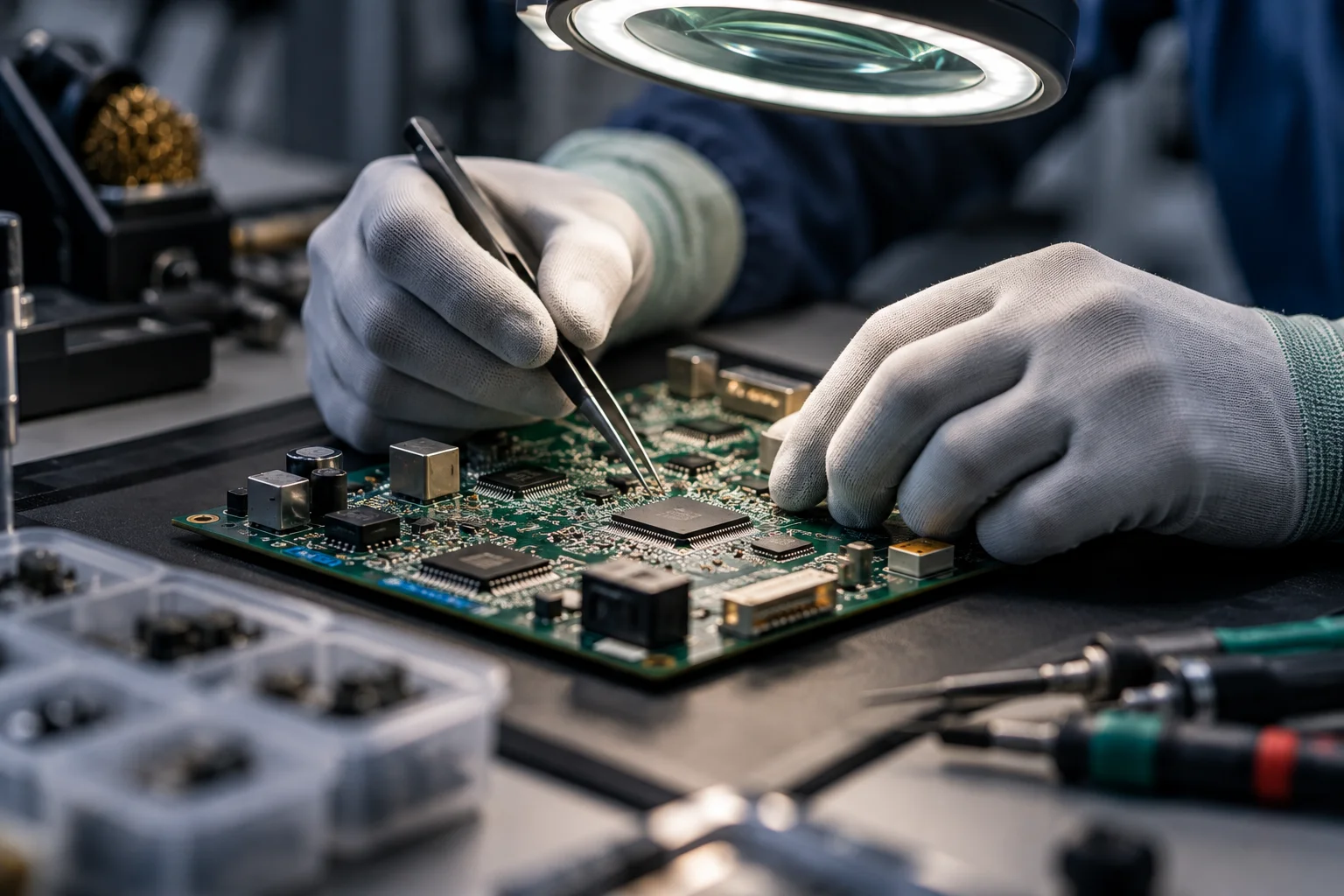
If inspection identifies an additional fault, agree the revised work before repair continues. Record changes to cost, parts and timing; approval for one repair should not be treated as permission for unrelated work.
Record the accessories handed over with the device and agree which are needed for testing. If the fault appears intermittently, describe the time or activity that triggers it. Before collection, ask how the agreed symptom was checked and whether there are any remaining observations to monitor during normal use. Keep agreed details together and identify the contact for practical questions. A clear record makes a change easier to discuss without losing earlier decisions.